Is Your Littleton Home's HVAC System the Right Size?
Published: 2026-04-27 · By BreezeFix Heating and Cooling
As a homeowner in Littleton, you know the importance of a sturdy heating and cooling system to withstand the region's rapid weather changes. Imagine returning home after a long day only to find your HVAC system struggling to either keep you warm or cool. These instances often result from improper sizing of HVAC units, which can escalate energy bills and compromise your comfort during Colorado's chaotic seasons. With the added challenges of expansive clay soils and the potential for freeze-thaw cycles in spring, ensuring your system is appropriately sized is crucial.
Why This Matters for Littleton Homeowners
In Littleton, the climate can swing from scorching summers to frigid winters within days. An HVAC system that's too large will cycle on and off frequently, leading to inefficiency and higher energy expenses. Conversely, a system that's too small may not adequately heat or cool your home, causing discomfort and potential system burnout. This imbalance can be further exacerbated by the area's unique soil conditions, which strain foundations and drainage, complicating air quality and temperature regulation.
Additionally, many homes built in Littleton must contend with heavy snowmelt and occasional hail storms. An ideal HVAC solution considers local weather extremes and your specific home layout, ensuring you’re not left in the cold or overheating as seasons change.
When the temperature fluctuates dramatically, a properly sized HVAC system ensures comfort and efficiency. Understanding how size affects performance can save you from unnecessary expenses in the long run.
Expert Solutions & Actionable Tips
1. Understanding BTUs
British Thermal Units (BTUs) measure the power of your HVAC system. For homes in Littleton, a general rule is to allocate around 20 BTUs per square foot. For instance, a 2,000-square-foot home would typically require a unit delivering 40,000 BTUs. Missing this mark can result in underperformance or wasted energy. Consider this as an effective starting point in your heating and cooling calculations.
2. Hire a Professional for Load Calculations
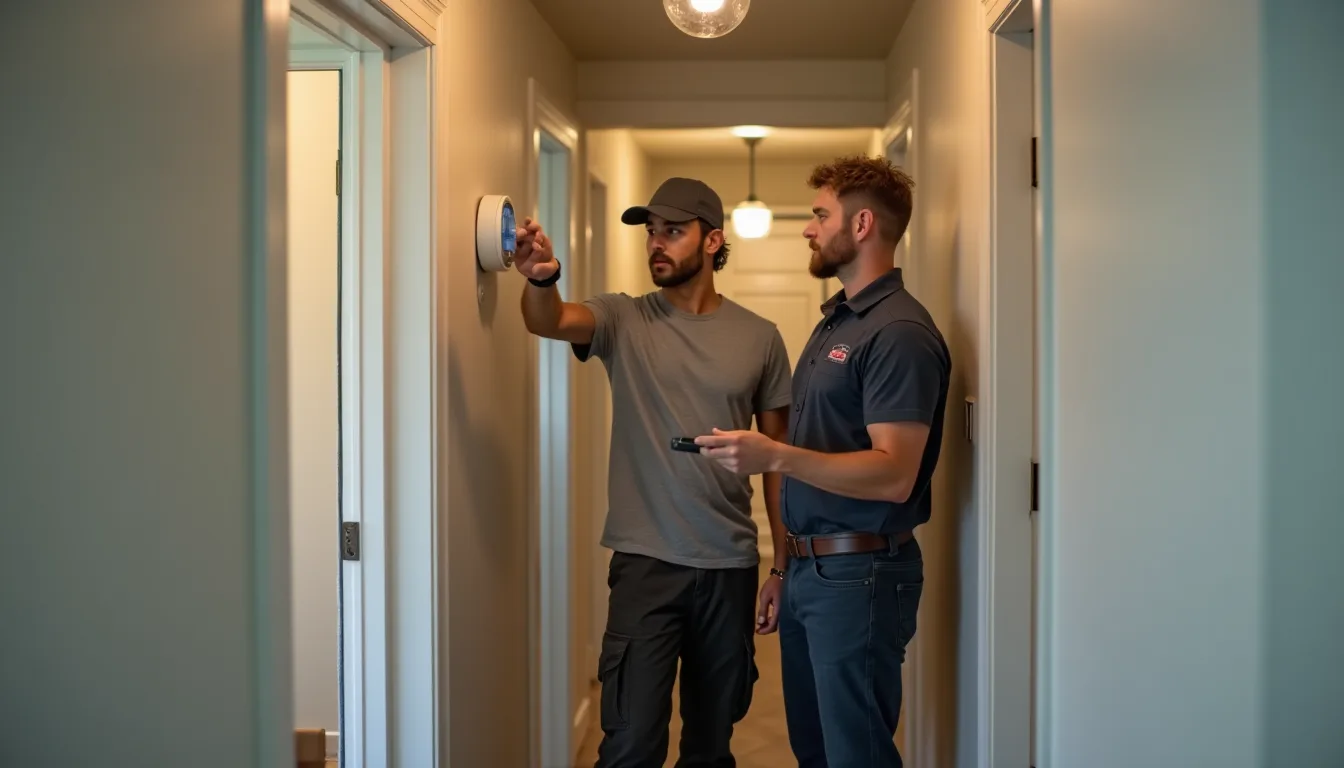
Professional HVAC technicians use principles like Manual J calculations to determine the correct sizing based on your home's features. By analyzing factors such as insulation, window size, and air leakage, these experts provide a precise measurement of your heating and cooling needs. Without such analysis, you could invest in a system that either under-delivers or wastes energy. Expect a full assessment to take about two hours.
3. Consider Home Orientation and Design
Your home's orientation can directly impact its heating and cooling efficiency. Homes with large south-facing windows may absorb more sunlight, requiring a more robust cooling system in the summer. Conversely, if you live in a shaded area, your heating system might need to be more powerful to compensate for the lack of natural warmth. Understanding these elements can help you choose effectively.
4. Evaluate Ductwork Efficiency
Insufficient or old ductwork can create significant losses in HVAC performance. Cracks and breaks in ducting can lead to 20-30% energy loss, meaning even a properly sized system could struggle to achieve optimal temperatures. Consider investing in duct sealing and insulation, which can significantly enhance your overall system performance and longevity.
5. Look for Multi-Zone Systems
If your Littleton home has varying heating and cooling needs, a multi-zone system might be worth exploring. These systems allow you to control temperatures in different areas independently, ensuring that energy isn't wasted in unoccupied rooms. The investment might be higher initially, approximately $2,000-$3,500, but can lead to more significant savings on energy bills over time.
6. Regular Maintenance Will Optimize Performance
Annual maintenance is vital for optimizing your HVAC’s performance, regardless of size. Professionals should check for system sizing, refrigerant levels, and duct leaks. Preventative maintenance visits usually range from $70-$150, greatly extending your system's life and maintaining efficiency. Regular upkeep can help avoid costly repairs and downtime.
Littleton Climate & Local Context
Littleton's climate presents a unique challenge with its extreme temperature fluctuations. Residents often experience rapid transitions from sweltering summer heat to icy winter chills, making a reliable HVAC system an essential part of home comfort. Additionally, the city's expansive clay soils can cause foundations to shift, demanding special considerations for drainage systems. A properly functioning HVAC system must not only address heating and cooling needs but also contend with potential structural challenges, especially during Colorado's spring freeze-thaw cycles.
Local building codes may require certain HVAC installation standards, particularly in newly constructed homes. Compliance with these criteria ensures the efficiency and longevity of your system, reflecting the care homeowners should take when considering their home comfort solutions.
When to Call a Professional
When facing HVAC issues, determining whether to take a DIY approach or call a professional can be tricky. Simple tasks, such as replacing a filter, can often be done by homeowners. However, when it comes to systems involving complex calculations or repairs, it's usually wise to consult with a trained technician.
- If your HVAC system is older than 15 years.
- When you notice unusual sounds or smells coming from the unit.
- If your energy bills have suddenly increased.
- When you experience inconsistent temperatures throughout the home.
- During your annual maintenance checks.
- If your system frequently cycles on and off.
- If you need to install a new system.
A well-timed call to an HVAC professional can save you significant time and costly repairs in the long run.
Frequently Asked Questions
How do I know if my HVAC system is the right size?
An HVAC system is correctly sized if it provides consistent temperatures across your home without excessive cycling. A professional assessment can give you the most accurate result.
What are the signs my HVAC system is too large?
Common indicators of an oversized unit include high humidity, frequent breakdowns, and a system that turns off before effectively cooling or heating a space.
Can I install an HVAC system myself?
While some DIY tasks are manageable, HVAC installations require knowledge of local codes and safety protocols. For best results, consult BreezeFix Heating and Cooling.
How often should I have my HVAC system serviced?
It’s advisable to service your HVAC unit at least once a year, preferably before the heating or cooling season begins.
What should I do if my HVAC isn't heating or cooling effectively?
Start by checking the thermostat settings and air filter. If problems persist, it's best to contact a local HVAC technician for a thorough inspection.
Get Expert HVAC Service in Littleton
Choosing the right HVAC system is crucial for ensuring comfort in your Littleton home. If you have concerns about sizing or performance, it's time to consult a local expert. Call (719) 223-5734 to speak with BreezeFix Heating and Cooling, where we have the experience to help you face Colorado's weather challenges reliably.
Don’t hesitate to reach out for your HVAC needs – we're here to ensure your home remains the comfortable retreat it should be.