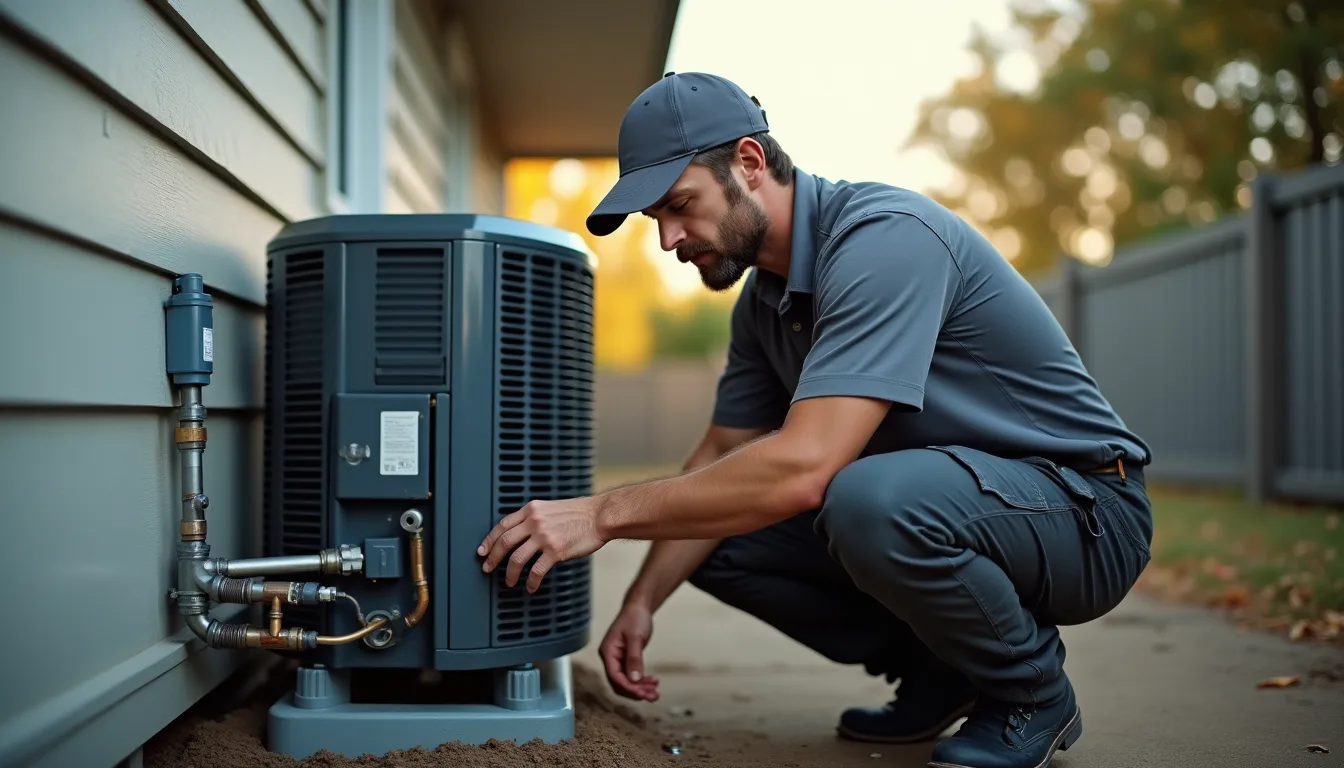
How Littleton Building Codes Affect Your HVAC System Requirements
Published: 2026-04-27 · By BreezeFix Heating and Cooling
As a homeowner in Littleton, you might be accustomed to the challenges that our unique weather patterns can throw at us. Rapid temperature swings can create sudden demands on your HVAC system, while hail storms and heavy spring snowmelt can introduce additional worries. However, one factor that often gets overlooked is how local building codes specifically impact your heating and cooling systems. Understanding these regulations can be the difference between a comfortable home and one that struggles to maintain a stable climate.
Why This Matters for Littleton Homeowners
Littleton's climate is notorious for its unpredictable temperature changes, which is compounded by our local building conditions. Homes constructed on expansive clay soils often require specific drainage solutions to prevent structural shifts that can affect HVAC installations. Furthermore, the freeze-thaw cycles that occur each spring can put considerable stress on mechanical systems, leading to potential failures if they are not properly installed or maintained according to local codes.
Ignoring these regulations jeopardizes your home's energy efficiency and comfort. Violating building codes can lead to expensive fines, increased utility bills, or worse yet, system failure just when you need it most. As Littleton residents, it's essential to consider how localized conditions play into these requirements.
Being informed not only extends the life of your HVAC system but also ensures your home remains compliant with city regulations, safeguarding your investment and comfort for years to come.
Expert Solutions & Actionable Tips
1. Understand Local Building Codes
Familiarize yourself with Littleton's building codes, specifically those pertaining to HVAC installations. Codes can dictate the type of systems that are permissible in certain zones, often related to the risk of flooding or soil movement.
For instance, obtaining a permit for a central air conditioning unit might cost between $150 to $300. Before proceeding, check with the Littleton Department of Community Development for any specific requirements.
2. Schedule Seasonal Inspections
In Littleton, the seasonal changes necessitate regular inspections. Plan to have your HVAC system checked biannually, especially before summer and winter. Typical service costs range from $75 to $150 per inspection.
These checks can catch minor issues before they escalate, ensuring your system runs efficiently during temperature extremes.
3. Invest in Quality Insulation
Given Colorado's rapid weather changes, investing in quality insulation can stabilize your HVAC costs. A well-insulated home can save you 20% on your energy bills, meaning that for an average home, that could translate to $200 annually.
Check not only your attic but also the walls and around windows to ensure optimal insulation.
4. Consider Energy-Efficient Systems
When upgrading, look into high-efficiency systems that comply with local regulations. While upfront costs can be higher, these systems often qualify for energy rebates, potentially saving anywhere from $500 to $1,000 over time on your utility bills.
In Littleton, energy-efficient units often lead to fewer repairs and longer lifespans.
5. Be Prepared for Permits
Always account for permit fees when planning HVAC renovations. In Littleton, obtaining a permit can take anywhere from one to three weeks, and fees are typically around $200 to $400 depending on the scope of the project.
This preparation will help avoid delays and ensure compliance with local regulations.
6. Evaluate Drainage Solutions
For homes on expansive clay soils, proper drainage solutions are critical. Investing in appropriate drainage systems might range from $1,500 to $5,000, safeguarding both your HVAC systems and home foundation.
Evaluate options with a local expert like BreezeFix to determine your best path forward.
Littleton Climate & Local Context
Littleton's high-altitude climate brings about significant temperature fluctuations, and this factor plays a pivotal role in determining HVAC requirements. Many homes face the dilemma of expansive clay soils, which can trigger drainage issues that affect HVAC installations.
Codes governing HVAC systems are usually informed by both these environmental realities and how structures are built here. To build or modify an HVAC system, you'll need to familiarize yourself with local permitting processes aimed at creating efficient and resilient systems that can withstand heavy snowfall and possible flooding from spring snowmelt.
When to Call a Professional
Understanding when to take on HVAC tasks yourself versus calling in a professional can save you both time and money. Simple tasks like changing air filters can typically be handled without a professional. However, there are complex scenarios where expertise is essential.
- You experience inconsistent temperatures throughout your home.
- Your HVAC system is making unfamiliar noises.
- Electric bills spike unexpectedly.
- Air quality seems compromised, with dust or allergens noticeable.
- Your system is over ten years old without regular service.
- You notice leaks or damp spots near HVAC units.
When faced with these issues, it’s advisable to contact a professional like BreezeFix Heating and Cooling to ensure any repairs or replacements are compliant with local codes.
Frequently Asked Questions
What local codes do I need to consider for my HVAC system?
In Littleton, key building codes emphasize proper installation methods to withstand local weather conditions, specifically concerning drainage and air quality regulations.
How often should I have my HVAC system serviced?
It's advisable to have your HVAC system inspected biannually to ensure efficiency and compliance with local codes associated with seasonal weather changes.
Are energy-efficient HVAC systems worth the investment?
Yes, while there’s an upfront cost, energy-efficient systems can lead to significant savings over time through rebates and lower utility bills in our climate.
Can I install an HVAC system myself?
Basic maintenance may be manageable, but most installations should be carried out by a professional to ensure compliance with local building codes and to prevent future issues.
What should I do if my HVAC system is outdated?
If your HVAC system is over ten years old, consider upgrading to a more energy-efficient model that meets local building codes for enhanced performance in our fluctuating climate.
Get Expert HVAC Service in Littleton
Understanding how Littleton's unique building codes and environmental factors influence your HVAC requirements is crucial for effective home upkeep. For tailored solutions and a comprehensive assessment of your HVAC system, contact (719) 223-5734 to speak with the experts at BreezeFix Heating and Cooling.
Stay comfortable in your home year-round, knowing that you’ve taken the right steps to comply with local regulations in Littleton.